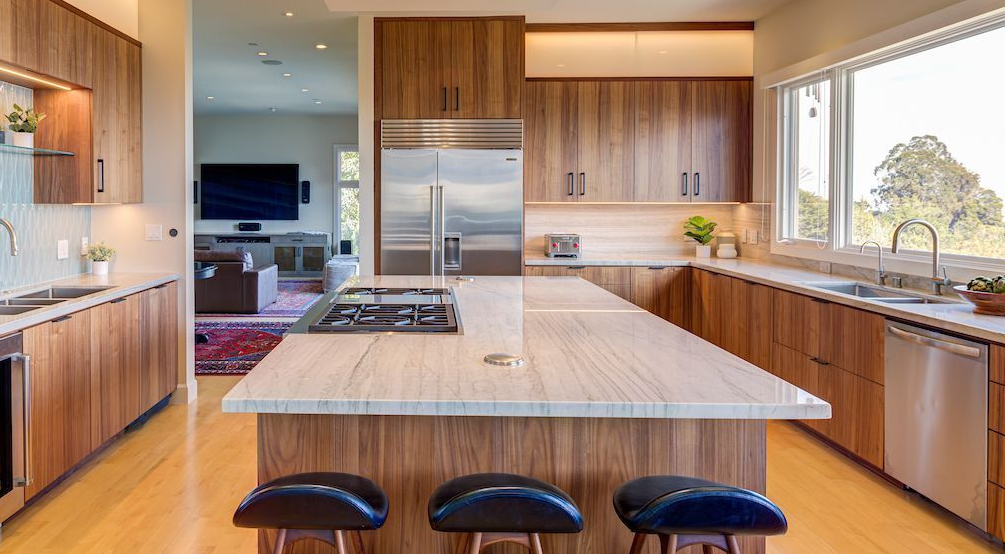
Architect vs
Design/Build Remodeling:
What Homeowners Should Know Before Starting Any Remodel
Most homeowners in Marin and Sonoma begin their remodel with the same assumption:
“We need to hire an architect first.”
It sounds logical. Architects are associated with planning, drawings, and design. But in real-world remodeling, especially in older homes with zoning constraints, structural limitations, and strict permitting requirements, architect-first planning is often the cause of budget overruns, redesigns, and major delays.
The truth is simple:
Most residential remodels do not require an architect.
They require a buildable plan, a realistic budget, and a process grounded in construction reality.
This page explains the key differences between architect-led remodeling and design/build remodeling, and walks you through six essential guides that show homeowners how to remodel smarter, faster, and with far fewer surprises.
Why “Architect-First Remodeling” Often Fails Homeowners
Architects are trained to design concepts. They are NOT responsible for:
✔ Construction sequencing
✔ Real labor costs
✔ Material availability
✔ Utility limitations
✔ Structural feasibility inside existing homes
✔ Zoning and FAR compliance
✔ Coordinating trades
As a result, architectural plans frequently look complete but fall apart once a contractor reviews them. Homeowners are then forced into redesigns, revised budgets, and extended timelines.
Design/build remodeling solves this by integrating design, feasibility, budgeting, and construction expertise from the very beginning.
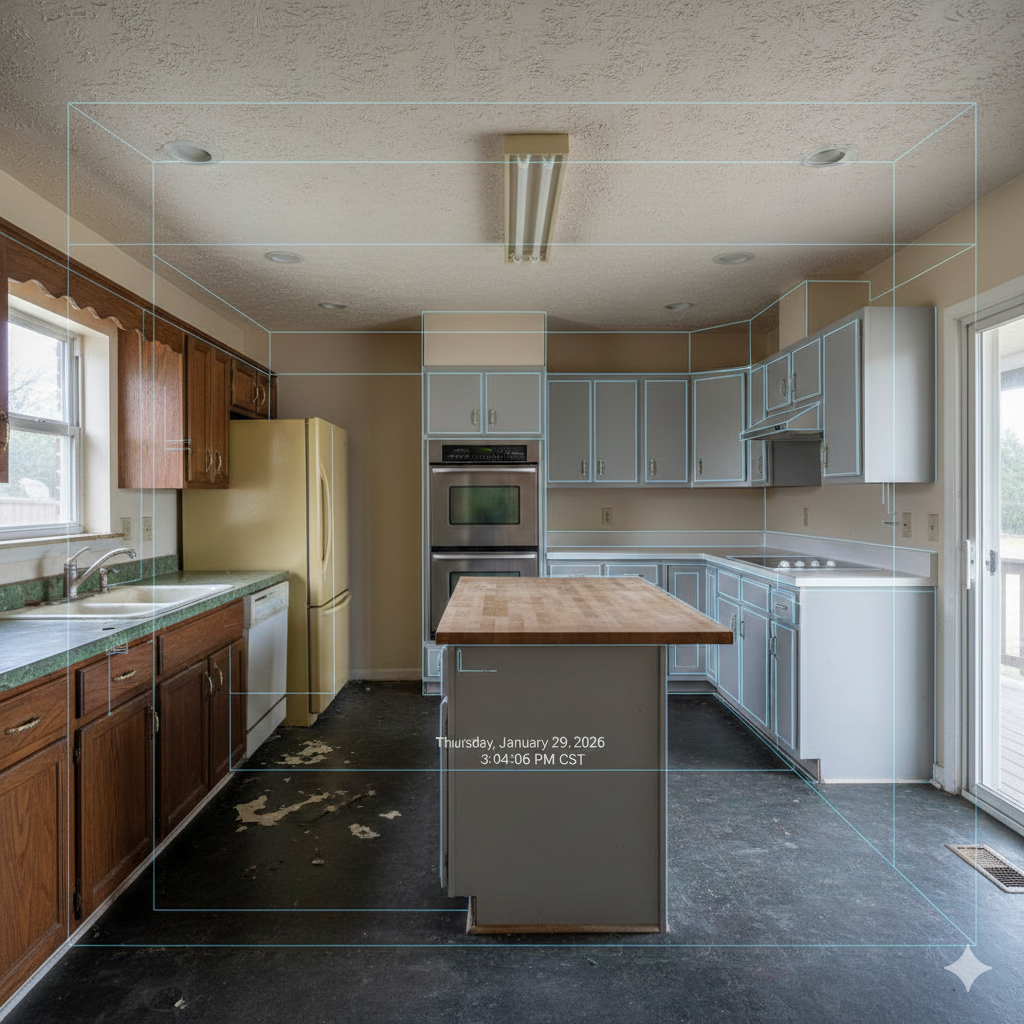
Most Remodels Do Not Need an Architect
And Why Homeowners Are Choosing a Smarter Path
For kitchens, bathrooms, whole-house remodels, and many additions, hiring an architect adds cost and time without adding clarity. Most of these projects are governed by construction constraints, not architectural creativity.
Homeowners who skip architect-first planning benefit from:
- fewer revisions
- faster starts
- clearer budgets
- better coordination
- fewer surprises
This guide explains why architects are unnecessary for
99 percent of remodels, and how a design/build feasibility process replaces traditional architectural drawings with something far more useful.

The Missing Step That Protects Your Budget
Why Feasibility Matters More Than Design Alone
One of the biggest frustrations homeowners experience is approving a design they love, only to discover later that it costs far more than expected.
That happens because architects typically design first and price later.
A feasibility-first approach flips that process by addressing:
- zoning and code limits
- structural constraints
- utility capacity
- layout practicality
- real-world construction costs
Before final design begins, homeowners gain clarity on what
actually works — and what fits their budget.
This guide explains how our Clarity Plan protects your remodel from financial surprises and sets the foundation for a smooth project.
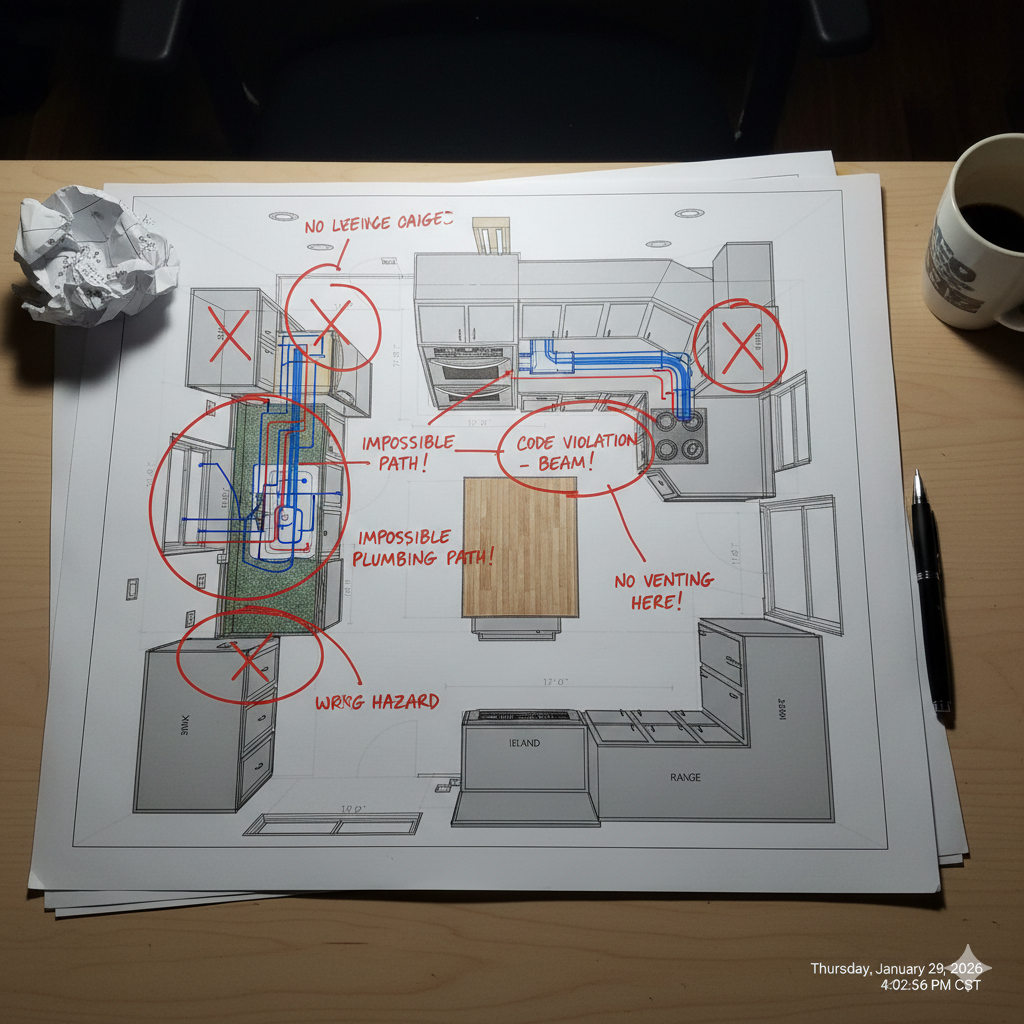
The Hidden Problems With Architectural Plans
And Why Redesigns Are So Common
Architectural plans often overlook critical construction realities, including:
- plumbing paths that cannot work
- venting routes that violate code
- structural supports that were assumed, not verified
- electrical loads that exceed capacity
- layouts that fail permitting
When these issues surface, homeowners pay again — for revised drawings, new engineering, and lost time.
Design/build remodeling avoids this by testing designs against real conditions before plans are finalized, not after demolition begins.
This guide breaks down the most common problems with architectural plans and shows how to avoid them entirely.
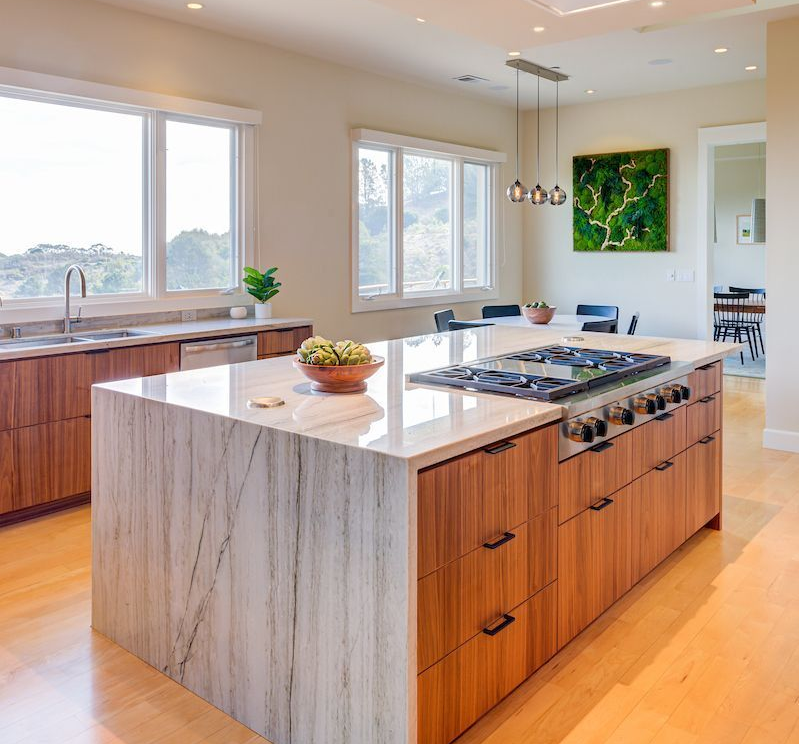
See Your Remodel Before Construction Begins
Why Interactive 3D Design Changes Everything
Flat drawings are hard to interpret. Many homeowners don’t fully understand what they’re approving until construction is underway — which leads to change orders and frustration.
Interactive 3D design solves this problem by allowing homeowners to:
- walk through their remodel virtually
- review layouts from every angle
- adjust details in real time
- approve decisions with confidence
Unlike traditional architects, design/build teams use 3D environments tied directly to construction feasibility and cost, not static drawings that require revisions.
This guide explains how 3D visualization gives homeowners control and clarity before work begins.
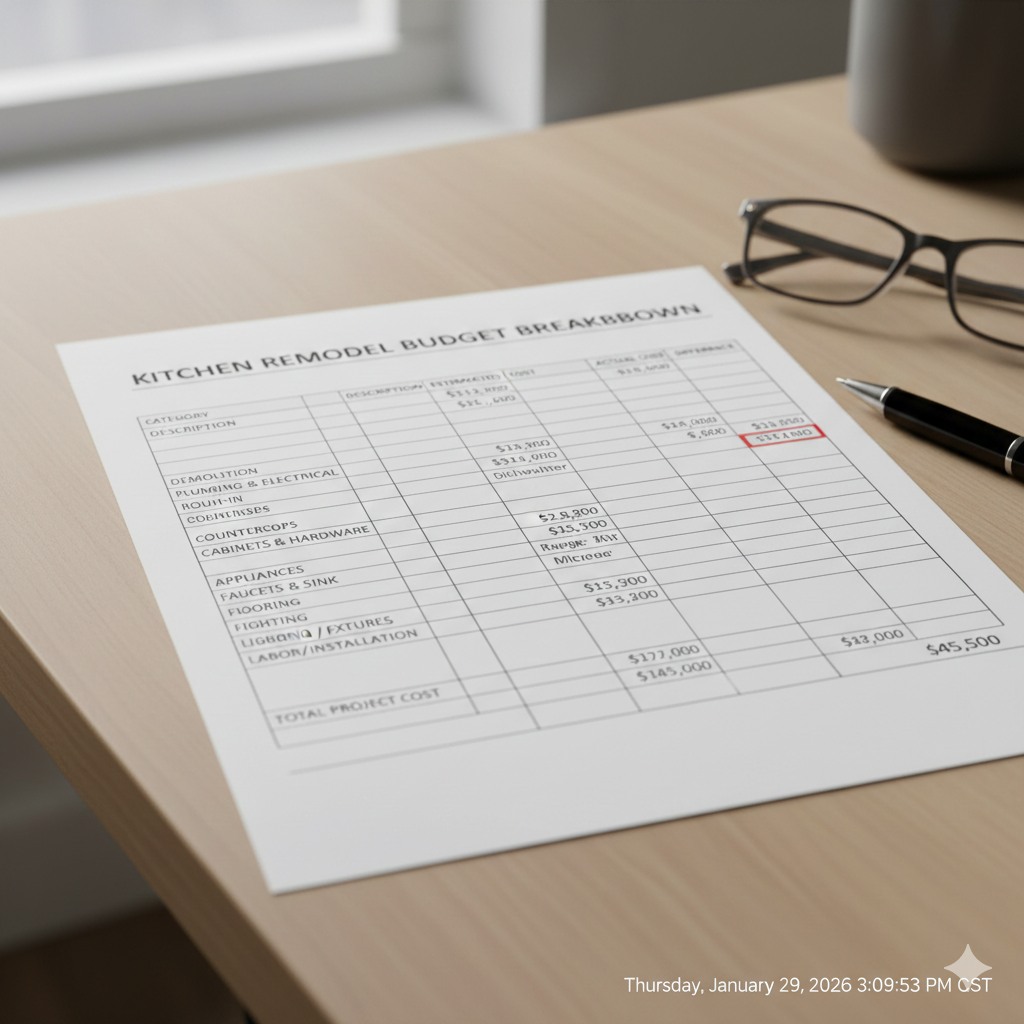
Start Your Remodel Without Stress, Delays, or Overdesign
A Better Process From Day One
Many remodels follow a painful pattern:
Design → Redesign → Reprice → Repermit → Delay
Design/build remodeling replaces that with a smarter sequence:
Feasibility → Design → Budget Approval → Permits → Build
This approach creates:
- predictable timelines
- realistic expectations
- fewer revisions
- better coordination
- smoother construction
This guide explains how starting with the right process eliminates stress and prevents overdesign before it ever happens.
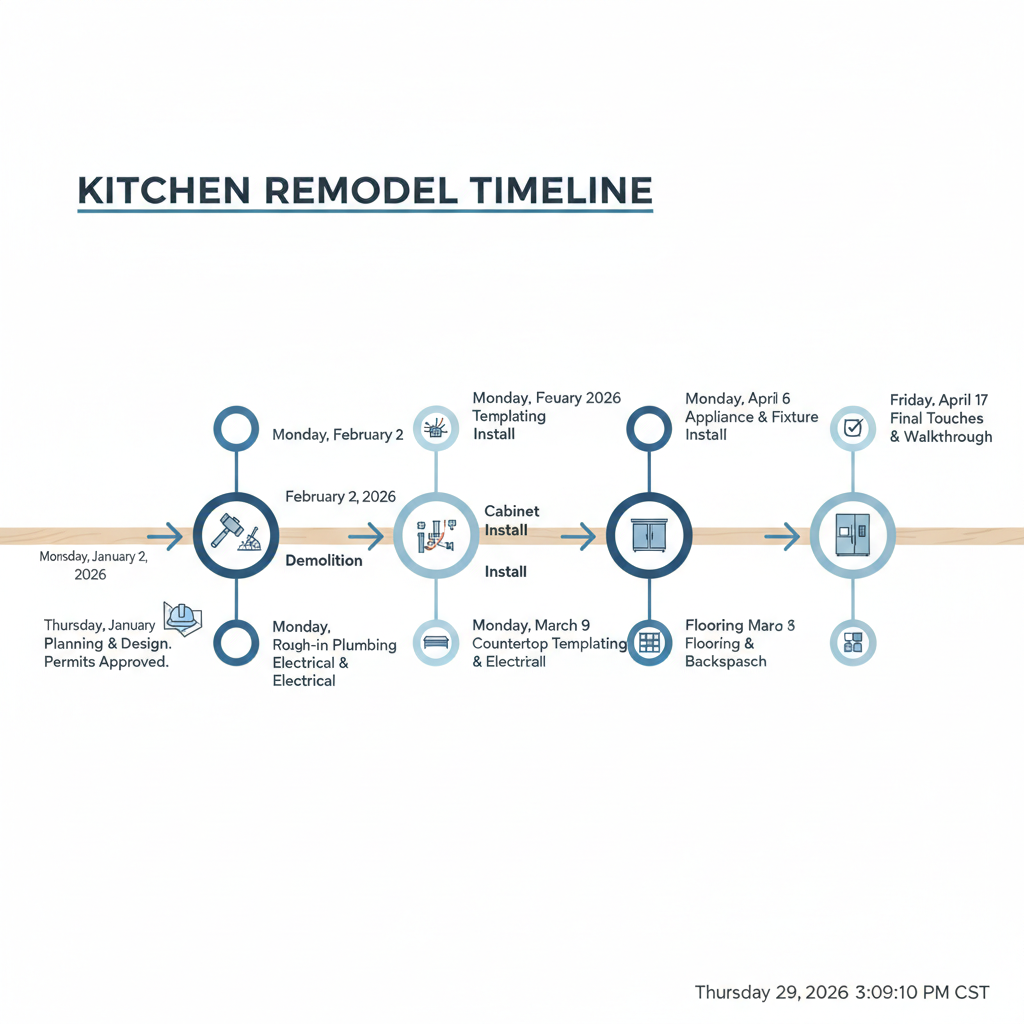
Kitchen & Bath Remodels Without Architectural Delays
Faster, Clearer, and More Predictable Results
Many homeowners search for kitchen or bathroom architects — but kitchens and baths are technical spaces, not architectural art projects.
They require:
- precise plumbing layout
- venting accuracy
- electrical load planning
- waterproofing expertise
- millimeter-level cabinet and fixture coordination
Design/build teams specializing in kitchens and bathrooms deliver better outcomes because design decisions are driven by buildability, not sketches.
This guide shows how homeowners can remodel kitchens and baths faster and with greater confidence — without waiting months for architectural plans.
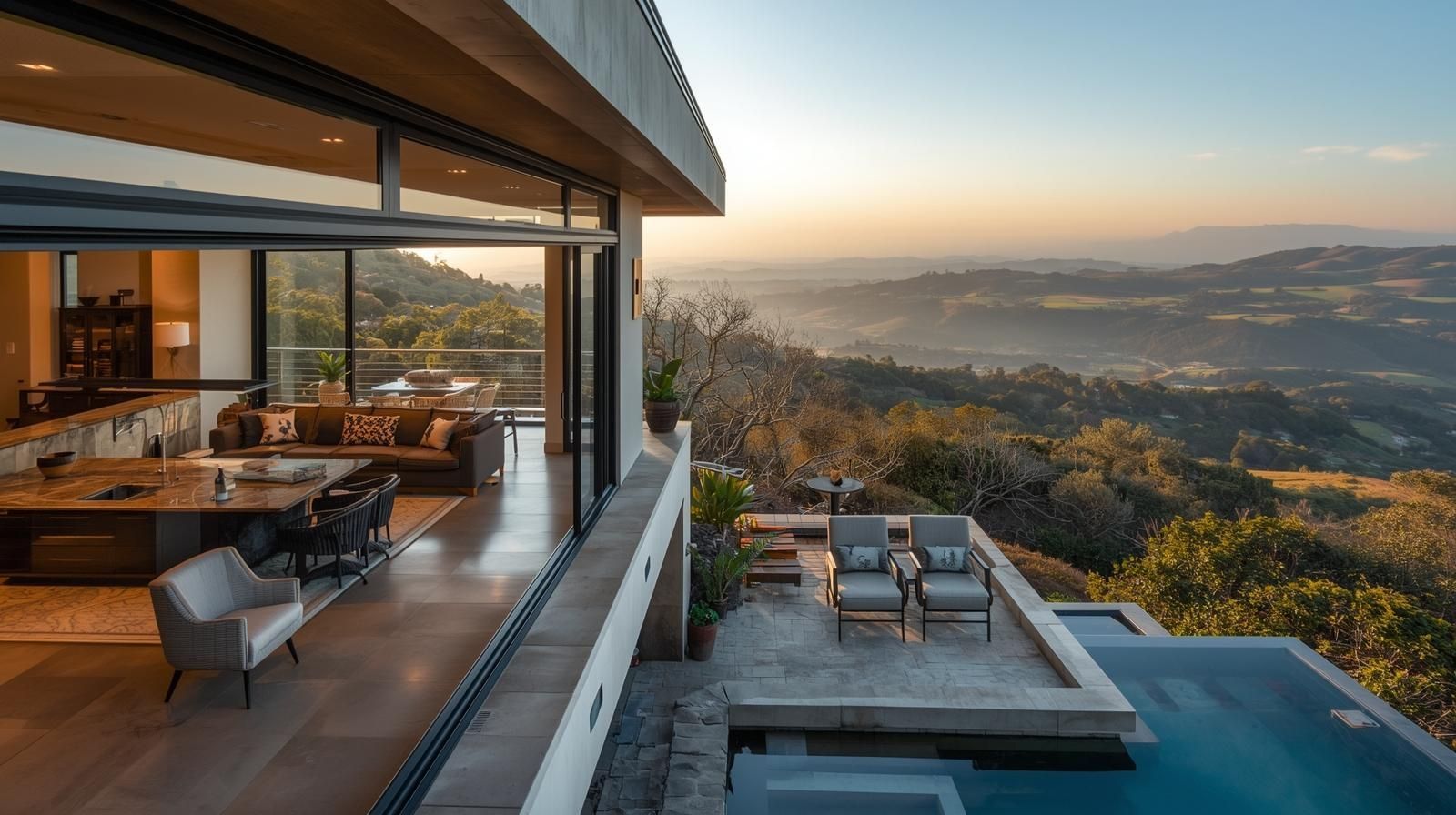
The Smarter Remodeling Model for Marin & Sonoma Homes
After reviewing these guides, one conclusion becomes clear:
Most remodeling problems don’t happen during construction.
They happen
before construction ever begins.
Design/build remodeling eliminates those problems by combining:
- feasibility-first planning
- real-world design
- accurate budgeting
- interactive visualization
- code-aligned layouts
- one accountable team
If you want a remodel that stays on budget, avoids redesigns, and moves forward with confidence, start with a design/build feasibility process — not an architect.
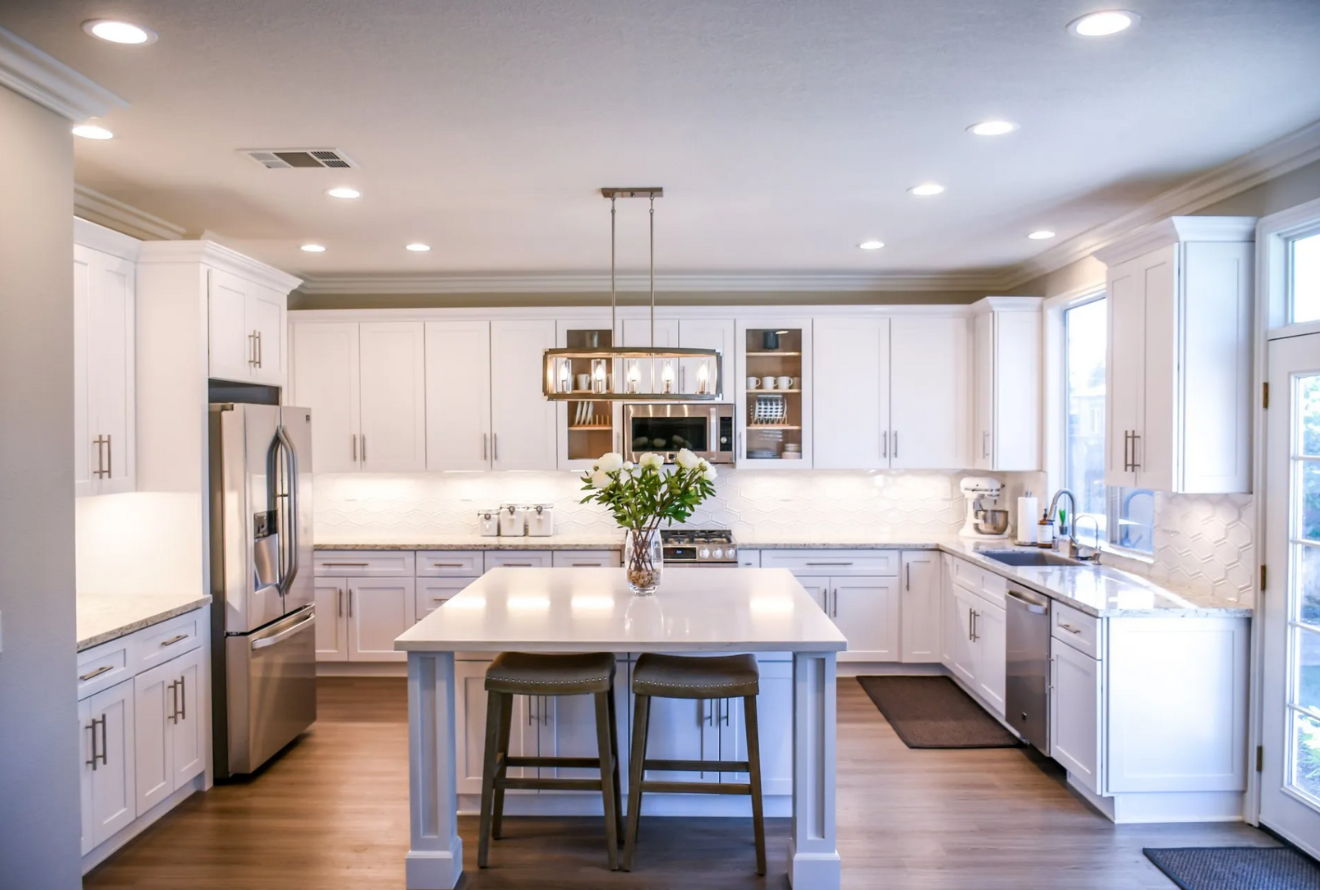
Ready To Explore Your Project With Us?
If you want a remodel that stays on budget, avoids redesigns, and moves forward with confidence, start with our design/build feasibility process we call the Clarity Plan — not an architect.