Transform Your Remodel With Interactive 3D Designs: Approve Every Detail Before Work Begins
How 3D Visualization Removes Guesswork and Prevents Costly Mid-Project Changes
You know the feeling of looking at a set of blueprints and nodding along, even though you aren't 100% sure what you are looking at. You see lines for walls and squares for cabinets. But can you feel how tight the walkway is? Can you see if the island blocks the view of the backyard?
Most homeowners cannot visualize a finished home from a flat 2D piece of paper.
This is where traditional architectural plans often fail the average homeowner. You pay a premium for drawings that leave the most important details up to your imagination. And when imagination meets reality on a job site, it usually results in expensive disappointment.
At Design Build Specialists, we do things differently. We believe you should walk through your new home before we even order the lumber. That is why we use cutting-edge 3D design remodel software to create a virtual environment of your project.
It is not just a pretty picture; it is a construction tool. If you want to understand how we apply this across all our projects, take a look at our
comprehensive remodeling services .
We bridge the gap between what you dream and what we build.
Why 2D Blueprints Are Not Enough
Flat blueprints often hide costly conflicts and spatial issues that only become obvious once walls are framed and it is too expensive to change them.
The common enemy in remodeling is the "allowance" or the "assumption." An architect draws a 36-inch hallway. On paper, it looks standard. In reality, once you add trim and baseboards, it might feel like a tunnel.
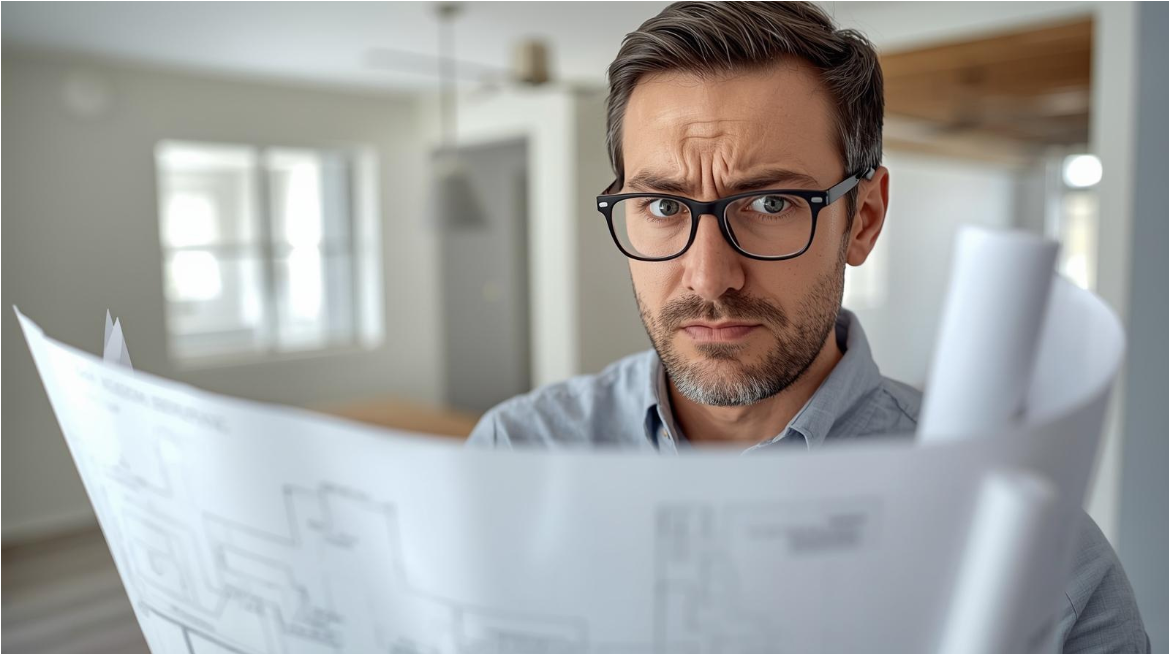
When you rely solely on 2D drawings, you are essentially gambling that the finished product will match the image in your head.
Here is the truth:
- Scale is deceptive on paper.
- Natural light is ignored in 2D.
- Material combinations are hard to visualize.
We have seen too many projects where a homeowner realizes too late that their expensive custom cabinets clash with the flooring. By then, the materials are installed. Ripping them out costs a fortune.
We strictly avoid this "build and hope" method. By using architectural rendering services that focus on accuracy, we remove the guesswork.
Experience Your Home in Real-Time
Our interactive 3D process allows us to modify layouts, finishes, and structural elements instantly so you can see the aesthetic and financial impact immediately.
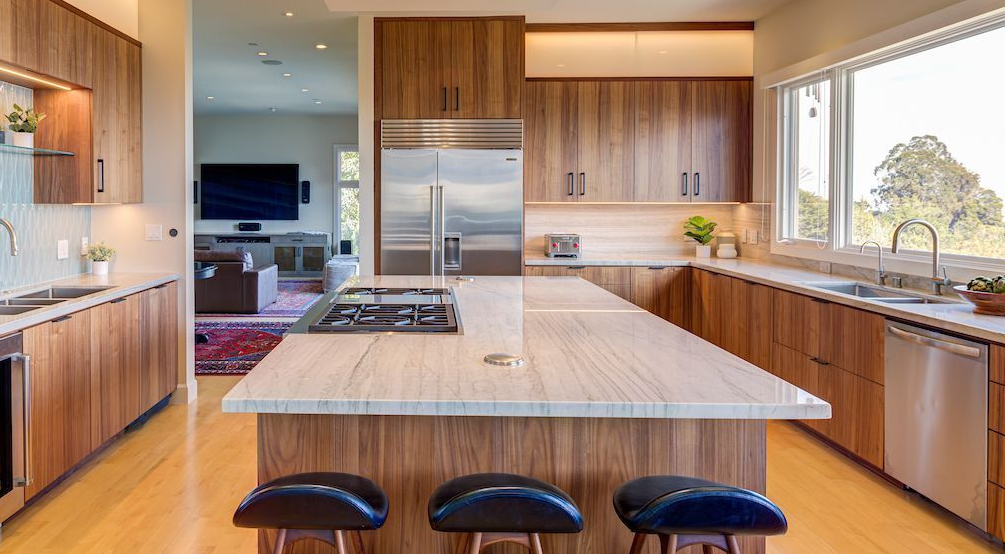
Imagine sitting down with us. We pull up your kitchen remodel on a large screen. You say, "I wonder what it would look like if we moved the island a foot to the left?"
In the old days, that would mean sending an architect back to the drawing board for a week. With us, we click a mouse, move the island, and you see it instantly.
But here is the best part: we can tell you right then if that move requires moving plumbing or electrical.
This is a core part of our
clarity plan process. We test your ideas in a digital world where mistakes cost zero dollars.
PRO TIP: THE "VIRTUAL SUN" TEST
In Marin and Sonoma, the light changes drastically depending on your orientation to the hills. We can simulate the sun's position in our 3D software for any time of year.
Don't just look at the layout. Ask us to show you the kitchen at 4:00 PM in December versus 10:00 AM in June. You might realize that perfectly placed window creates a blinding glare on your TV or that your breakfast nook is darker than you thought. We can fix that before we buy a single window.
Marin and Sonoma Specifics: Why Visualization Matters Here
Local terrain and zoning in Marin and Sonoma Counties require precise planning that standard rendering tools often miss.
Building here is different. We aren't working with flat, square lots like you find in the Midwest. We are dealing with hillsides, specific view corridors, and strict zoning laws regarding height and setbacks.
Standard
design tools in Marin often fail to account for the slope of the land.
We model the terrain. We show you exactly how your new deck will look from the street and how it impacts your neighbor's view – a critical step for getting approval in towns like Mill Valley or Tiburon.
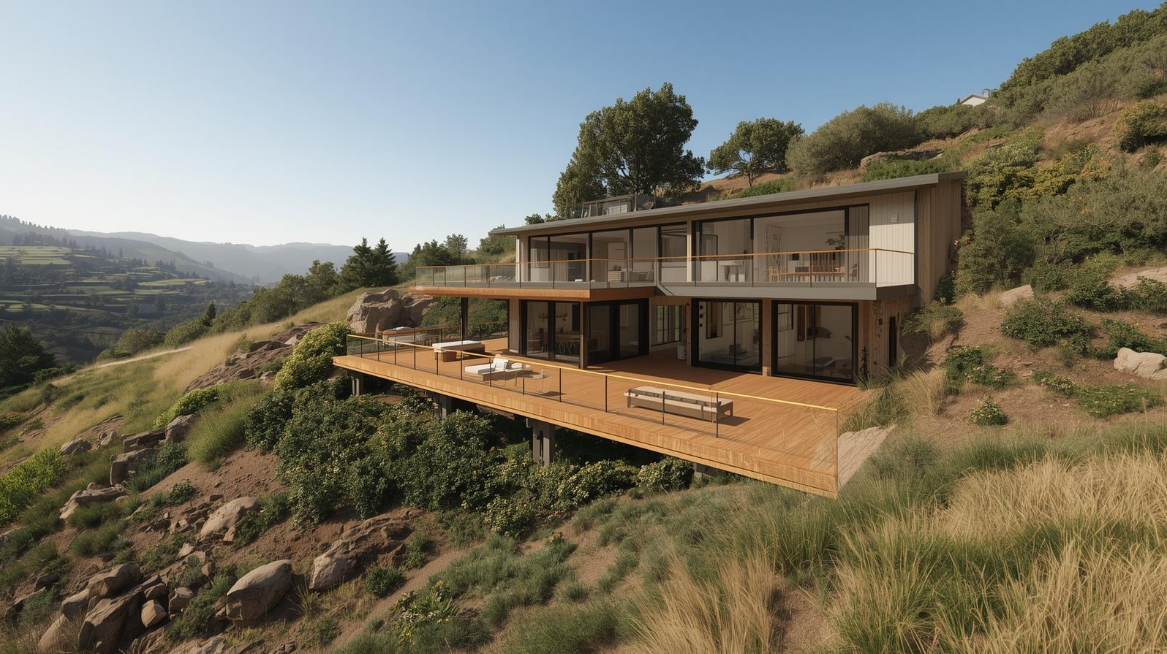
If you are dealing with a complex site, standard plans just don't cut it. You need to know if that retaining wall is going to block your view of the bay.
Many architectural plans fail because they treat the house as if it is floating in space. We anchor your design to the reality of your lot. This prevents the dreaded scenario where a design is approved but is practically unbuildable due to site conditions. You can read more about how to avoid these specific pitfalls in our article on
problems with architectural plans.
The "Cost of Curiosity" is Zero
In a 3D environment, you can experiment with high-end materials or structural changes without spending a dime on labor or waste.
One of the biggest sources of anxiety for homeowners is "Scope Creep." This happens when you start adding things during construction because you finally see the potential.
- "Can we add a window there?"
- "What if we did a vaulted ceiling?"
If you ask a contractor to do this while the crew is standing there, it slows down the job and costs a premium.
With our 3D process, we explore all those "what ifs" during the design phase. You can see the vaulted ceiling. We can tell you the cost difference instantly. If it busts the budget, we hit "undo."
This is why remodeling visualization is a financial tool, not just a design tool. It aligns your budget with your vision. It is about making decisions when they are cheap (on the computer) rather than when they are expensive (on the job site).
Understanding the full scope of planning benefits is crucial. For a deeper dive into how planning prevents disaster, check out our insights on remodel design planning benefits.
Architects vs. The Design-Build 3D Advantage
While architects provide conceptual beauty, a design-build firm uses 3D modeling to validate constructability and budget simultaneously.
We have great respect for architects. But the traditional process often leaves a gap between the drawing and the cost.An architect might render a beautiful floating staircase. It looks stunning. But they might not know that the steel required to support it currently has a 16-week lead time and costs three times what it did last year.
We do.
When we design in 3D, we are designing with our builder hats on. We know how the plumbing needs to run through those walls. We know exactly how that roofline ties into the existing structure.
This eliminates the "Request for Information" (RFI) delays that plague traditional construction. We don't need to ask the designer what they meant. We are the designers, and we are the builders.
Key Takeaways:
- Eliminate Surprises: Interactive 3D modeling allows you to spot design flaws and spatial issues before construction starts, saving thousands in change orders.
- Real-Time Adjustments: Unlike static blueprints, advanced 3D environments let you swap materials, move walls, and adjust lighting instantly to see the impact on your budget.
- Total Clarity: Visualize exactly how your new kitchen or ADU will look in Marin or Sonoma lighting conditions, rather than guessing from a flat black-and-white drawing.
- Cost Certainty: By finalizing details digitally in a Feasibility Study, you lock in a realistic budget that aligns with your design goals from day one.
Conclusion & Next Steps
You do not have to guess what your remodeled home will look like. You do not have to lose sleep worrying if you made the right choice on the tile or the cabinet layout.
Technology has evolved, and your contractor should too.
By using interactive 3D design, we give you the control to approve every detail before we lift a hammer. It is the only way to ensure the home you get is the home you paid for.
Don't settle for vague sketches and hopeful estimates.
If you are ready to stop guessing and start planning with precision, we are here to help. For a complete understanding of why this integrated approach saves you time and money compared to the traditional route, read our full guide on the pros and cons of hiring an architect.